
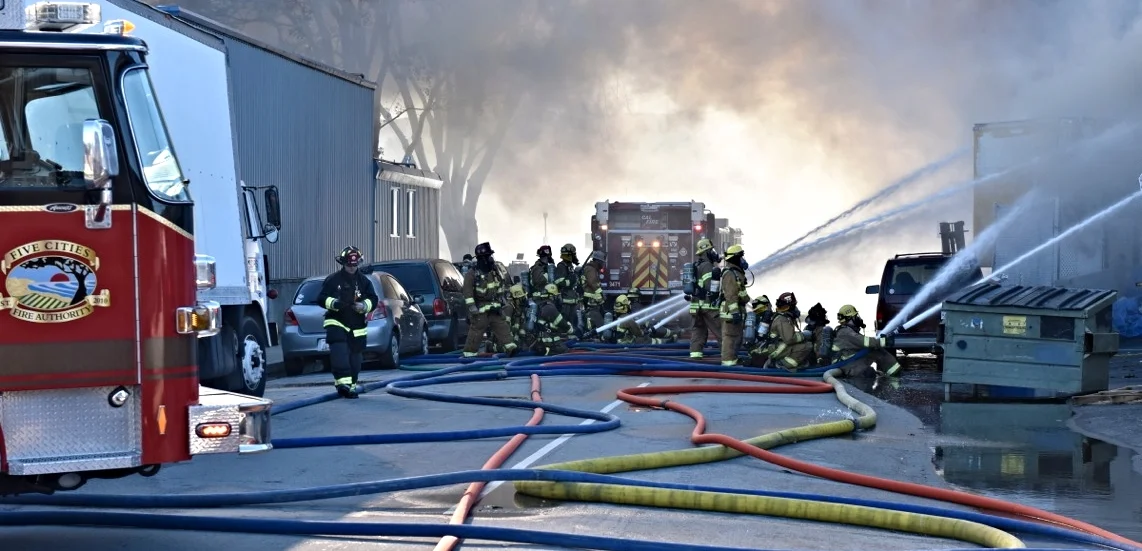
The emotional toll that an emergency brings can sometimes be even more devastating than the financial strains of damage and loss of home,business,or personal property.
Understand an Emergency event
- Everyone who sees or experiences an emergency is affected by it in some way.
- It is normal to feel anxious about your own safety and that of your family and close friends.
- Profound sadness,grief,and anger are normal reactions to an abnormal event.
- Acknowledging your feelings helps you recover.
- Focusing on your strengths and abilities helps you heal.
- Accepting help from community programs and resources is healthy.
- Everyone has different needs and different ways of coping.
- It is common to want to strike back at people who have caused great pain.
Children and older adults are of special concern in the aftermath of an emergency. Even individuals who experience an emergency “second hand” through exposure to extensive media coverage can be affected.
Contact local faith-based organizations,voluntary agencies,or professional counselors for counseling. Additionally,FEMA and state and local governments of the affected area may provide crisis counseling assistance.
When adults have the following signs,they might need crisis counseling or stress management assistance:
- Difficulty communicating thoughts.
- Difficulty sleeping.
- Difficulty maintaining balance in their lives.
- Low threshold of frustration.
- Increased use of drugs/alcohol.
- Limited attention span.
- Poor work performance.
- Headaches/stomach problems.
- Tunnel vision/muffled hearing.
- Colds or flu-like symptoms.
- Disorientation or confusion.
- Difficulty concentrating.
- Reluctance to leave home.
- Depression,sadness.
- Feelings of hopelessness.
- Mood-swings and easy bouts of crying.
- Overwhelming guilt and self-doubt.
- Fear of crowds,strangers,or being alone.
Easing Emergency-Related Stress
The following are ways to ease an emergency-related stress:
- Talk with someone about your feelings –anger,sorrow,and other emotions –even though it may be difficult.
- Seek help from professional counselors who deal with post-an emergency stress.
- Do not hold yourself responsible for the disastrous event or be frustrated because you feel you cannot help directly in the rescue work.
- Take steps to promote your own physical and emotional healing by healthy eating,rest,exercise,relaxation,and meditation.
- Maintain a normal family and daily routine,limiting demanding responsibilities on yourself and your family.
- Spend time with family and friends.
- Participate in memorials.
- Use existing support groups of family,friends,and religious institutions.
- Ensure you are ready for future events by restocking your an emergency supplies kits and updating your family an emergency plan. Doing these positive actions can be comforting.
Helping Children Cope with An Emergency
An emergency can leave children feeling frightened,confused,and insecure. Whether a child has personally experienced trauma,has merely seen the event on television,or has heard it discussed by adults,it is important for parents and teachers to be informed and ready to help if reactions to stress begin to occur.
Children may respond to an emergency by demonstrating fears,sadness,or behavioral problems. Younger children may return to earlier behavior patterns,such as bedwetting,sleep problems,and separation anxiety. Older children may also display anger,aggression,school problems,or withdrawal. Some children who have only indirect contact with an emergency but witness it on television may develop distress.
Who is at Risk?
For many children,reactions to an emergency may be brief and represent normal reactions to “abnormal events.” A smaller number of children can be at risk for more enduring psychological distress as a function of three major risk factors:
- Direct exposure to the an emergency,such as being evacuated,observing injuries or death of others,or experiencing injury along with fearing one’s life is in danger.
- Loss/grief:This relates to the death or serious injury of family or friends.
- On-going stress from the secondary effects of an emergency,such as temporarily living elsewhere,loss of friends and social networks,loss of personal property,parental unemployment,and costs incurred during recovery to return the family to pre-an emergency life and living conditions.
What Creates Vulnerabilities in Children?
In most cases,depending on the risk factors above,distressing responses are temporary. In the absence of severe threat to life,injury,loss of loved ones,or secondary problems such as loss of home,moves,etc.,symptoms usually diminish over time. For those that were directly exposed to the emergency,reminders of the emergency such as high winds,smoke,cloudy skies,sirens,or other reminders of the an emergency may cause upsetting feelings to return. Having a prior history of some type of traumatic event or severe stress may contribute to these feelings.
Children’s coping with an emergency or emergencies is often tied to the way parents cope. They can detect adults’ fears and sadness. Parents and adults can make an emergency less traumatic for children by taking steps to manage their own feelings and plans for coping. Parents are almost always the best source of support for children in an emergency. One way to establish a sense of control and to build confidence in children before an emergency is to engage and involve them in preparing a family an emergency plan. After an emergency,children can contribute to a family recovery plan.
A Child’s Reaction to an Emergency by Age
Below are common reactions in children after an emergency or traumatic event.
Birth through 2 years. When children are pre-verbal and experience a trauma,they do not have the words to describe the event or their feelings. However,they can retain memories of particular sights,sounds,or smells. Infants may react to trauma by being irritable,crying more than usual,or wanting to be held and cuddled. The biggest influence on children of this age is how their parents cope. As children get older,their play may involve acting out elements of the traumatic event that occurred several years in the past and was seemingly forgotten.
Preschool –3 through 6 years. Preschool children often feel helpless and powerless in the face of an overwhelming event. Because of their age and small size,they lack the ability to protect themselves or others. As a result,they feel intense fear and insecurity about being separated from caregivers. Preschoolers cannot grasp the concept of permanent loss. They can see consequences as being reversible or permanent. In the weeks following a traumatic event,preschoolers’ play activities may reenact the incident or the emergency over and over again.
School age –7 through 10 years. The school-age child has the ability to understand the permanence of loss. Some children become intensely preoccupied with the details of a traumatic event and want to talk about it continually. This preoccupation can interfere with the child’s concentration at school and academic performance may decline. At school,children may hear inaccurate information from peers. They may display a wide range of reactions—sadness,generalized fear,or specific fears of the emergency happening again,guilt over action or inaction during the emergency,anger that the event was not prevented,or fantasies of playing rescuer.
Pre-adolescence to adolescence –11 through 18 years. As children grow older,they develop a more sophisticated understanding of the emergency event. Their responses are more similar to adults. Teenagers may become involved in dangerous,risk-taking behaviors,such as reckless driving,or alcohol or drug use. Others can become fearful of leaving home and avoid previous levels of activities. Much of adolescence is focused on moving out into the world. After a trauma,the view of the world can seem more dangerous and unsafe. A teenager may feel overwhelmed by intense emotions and yet feel unable to discuss them with others.
Meeting the Child’s Emotional Needs
Children’s reactions are influenced by the behavior,thoughts,and feelings of adults. Adults should encourage children and adolescents to share their thoughts and feelings about the incident. Clarify misunderstandings about risk and danger by listening to children’s concerns and answering questions. Maintain a sense of calm by validating children’s concerns and perceptions and with discussion of concrete plans for safety.
Listen to what the child is saying. If a young child is asking questions about the event,answer them simply without the elaboration needed for an older child or adult. Some children are comforted by knowing more or less information than others;decide what level of information your particular child needs. If a child has difficulty expressing feelings,allow the child to draw a picture or tell a story of what happened.
Try to understand what is causing anxieties and fears. Be aware that children are most afraid of the following emergencies:
- The event will happen again.
- Someone close to them will be killed or injured.
- They will be left alone or separated from the family.
Reassuring Children after an Emergency:
- Personal contact is reassuring. Hug and touch your children.
- Calmly provide factual information about the recent emergency and current plans for insuring their safety along with recovery plans.
- Encourage your children to talk about their feelings.
- Spend extra time with your children such as at bedtime.
- Re-establish your daily routine for work,school,play,meals,and rest.
- Involve your children by giving them specific chores to help them feel they are helping to restore family and community life.
- Praise and recognize responsible behavior.
- Understand that your children will have a range of reactions to an emergency.
- Encourage your children to help update your a family an emergency plan.
If you have tried to create a reassuring environment by following the steps above,but your child continues to exhibit stress,if the reactions worsen over time,or if they cause interference with daily behavior at school,at home,or with other relationships,it may be appropriate to talk to a professional. You can get professional help from the child’s primary care physician,a mental health provider specializing in children’s needs,or a member of the clergy.
Monitor and Limit Your Family’s Exposure to the Media
News coverage related to an emergency may elicit fear and confusion and arouse anxiety in children. This is particularly true for large-scale emergencies or a terrorist event where significant property damage and loss of life has occurred. Particularly for younger children,repeated images of an event may cause them to believe the event is recurring over and over.
If parents allow children to watch television or use the Internet where images or news about the emergency are shown,parents should be with them to encourage communication and provide explanations. This may also include parent’s monitoring and appropriately limiting their own exposure to anxiety-provoking information.
Use Support Networks
Parents help their children when they take steps to understand and manage their own feelings and ways of coping. They can do this by building and using social support systems of family,friends,community organizations and agencies,faith-based institutions,or other resources that work for that family. Parents can build their own unique social support systems so that in an emergency situation or when an emergency strikes,they can be supported and helped to manage their reactions. As a result,parents will be more available to their children and better able to support them. Parents are almost always the best source of support for children in difficult times. But to support their children,parents need to attend to their own needs and have a plan for their own support.
Preparing for an emergency helps everyone in the family accept the fact that emergencies do happen,and provides an opportunity to identify and collect the resources needed to meet basic needs after an emergency. Preparation helps;when people feel prepared,they cope better and so do children.
Helping Others:
The compassion and generosity of the American people is never more evident than after an emergency. People want to help. Here are some general guidelines on helping others after an emergency:
- Volunteer! Check with local organizations or listen to local news reports for information about where volunteers are needed. Note:Until volunteers are specifically requested,stay away from emergency areas.
- Bring your own food,water,and emergency supplies to an emergency area if you are needed there. This is especially important in cases where a large area has been affected and emergency items are in short supply.
- Give a check or money order to a recognized an emergency relief organization. These groups are organized to process checks,purchase what is needed,and get it to the people who need it most.
- Do not drop off food,clothing,or any other item to a government agency or an emergency relief organization unless a particular item has been requested. Normally,these organizations do not have the resources to sort through the donated items.
- Donate a quantity of a given item or class of items (such as nonperishable food) rather than a mix of different items. Determine where your donation is going,how it’s going to get there,who is going to unload it,and how it is going to be distributed. Without sufficient planning,much needed supplies will be left unused.


